
How to build a diversified portfolio? Check out the main tips
Learn how to build a diversified portfolio with practical tips to reduce risks and maximize your investments. Start planning today!
Learn how to build a personalized portfolio
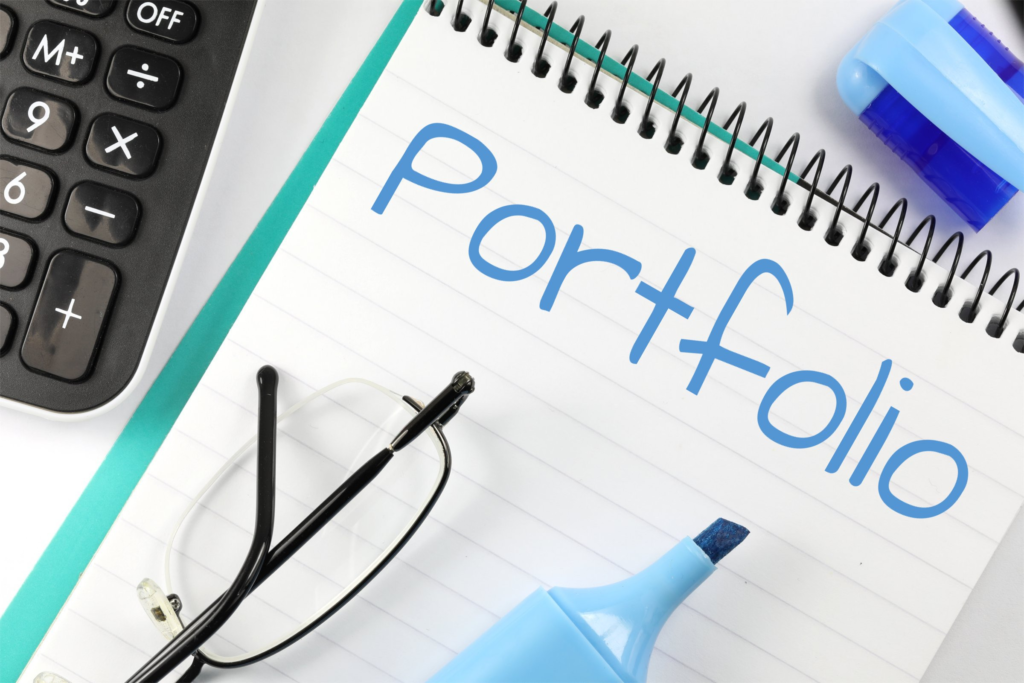
Imagine you’re trying to impress someone: whether on a date, in an interview or even when showing your talent to a client. Now think of your portfolio as the first impression you’re going to make. It’s more than just a collection of your work. It’s your professional identity in visual, digital or physical form.
So why not make it as unique as you are? Whether you’re a designer, photographer, developer or even a marketing specialist, create a personalized portfolio. Read on to find out all the details!
Why is a personalized portfolio so important?
Think of a portfolio as your professional passport. It helps you open doors, gain new opportunities and show your value in a tangible way. Having something unique and well-made conveys professionalism, attention to detail and, above all, confidence in your own work.
What’s more, a personalized portfolio shows that you understand the importance of standing out in a competitive market. After all, nobody wants to be “just one more”.
What are the steps to putting together a diversified portfolio?
Now that you understand the importance of having a diversified portfolio, it’s time to learn how to put one together. To help you through the process, we’ve decided to list the main steps in full detail. Check out the list below!
Step 1: Define the purpose of your portfolio
Before you start putting together your portfolio, ask yourself: what will it be used for? Do you want to impress recruiters, attract clients or use it as an online showcase for your career? Your main objective will guide every decision, from the layout to the projects you include.
For example, if you’re a graphic designer looking for a job, your portfolio should highlight creative projects, such as visual identity or interface design. If you’re a photographer, showcase your best series, with images that capture different themes and styles.
Step 2: Choose the best platforms
For those in the United States, a great way to get started is to use popular platforms such as Behance or Squarespace. These tools not only offer amazing templates, but also help you create a professional online presence without requiring advanced design or programming skills.
Behance is perfect for those who want a more artistic and collaborative approach, while Squarespace is ideal for creating a visually impressive and completely personalized website.
Step 3: Show diversity and depth
When selecting the work that will make up your portfolio, think about the diversity of your skills. Include projects that show how you solve different problems. This helps convey versatility.
But beware: quantity is not quality. Choose between 6 and 12 projects that really shine and represent what you’re best at. And, whenever possible, add a brief description for each one, explaining the context, challenges and solutions you brought.
Step 4: Personalize the presentation
A personalized portfolio isn’t just about the projects you choose to include. It’s about how you present them. Use colors, fonts and layouts that reflect your personality and professional style.
If you have a minimalist style, use a clean, straightforward design. But if you like something bolder, explore colors and visual elements that bring more energy to the site.
Remember that the design of your portfolio should complement your work – not compete with it.
Step 5: Add a personal touch
To make your portfolio truly unique, include sections that show a little more about you. It could be an “About Me” page with your professional background or even a short video where you talk about your passion for your work.
Be creative, but don’t overdo it. Your portfolio should maintain a balance between being professional and personal.
Step 6: Always keep it up to date
Your portfolio is not something you create once and forget about. It should be a living reflection of your career, always updated with the best projects. Take time regularly to review and add new work, removing those that no longer represent your current skill.
Conclusion
Building a personalized portfolio is a journey that takes time and dedication, but the result is worth it. It’s not just a work tool, it’s an extension of who you are and what you can offer.
Now it’s your turn: start planning, creating and personalizing your portfolio today. And remember, the world is full of opportunities waiting for you. Your portfolio is your passport to them!
Related Content
Difference Between Roth IRA and Traditional IRA
Discover the main differences between Roth IRA and Traditional IRA. Check it out!
I want to learn more * You will remain on the current website Difference Between Roth IRA and Traditional IRA
I want to learn more You will remain on the current website