
BNPL vs. Hidden Credit Card Costs: What Are the Main Differences?
Discover the key differences between BNPL (Buy Now, Pay Later) and hidden credit card costs. Learn how each one impacts your budget.
Understand the differences between BNPL vs hidden credit card costs
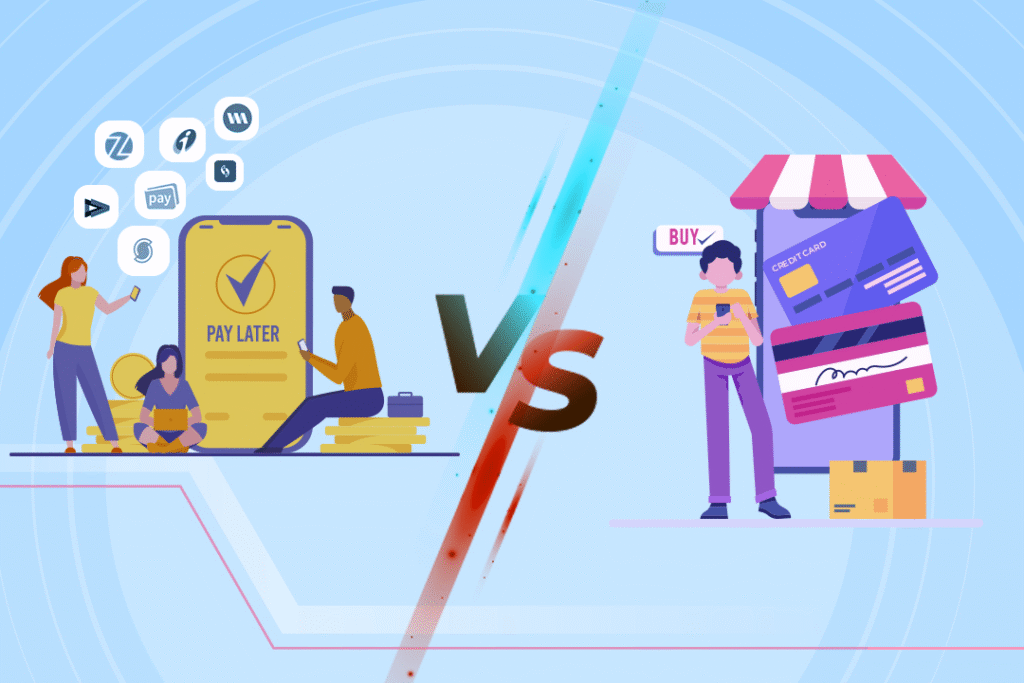
In recent years, payment methods in digital retail have changed significantly. One of the most talked-about developments is BNPL (Buy Now, Pay Later).
This method presents itself as an alternative to traditional credit card payments, but many people still have questions about the differences, and especially about the hidden costs that can arise with each option.
In this article, we’ll explore how BNPL works, what it means to deal with hidden credit card costs, and the main differences between these two payment methods.
What is BNPL?
BNPL is a financing model offered by financial technology companies and, increasingly, by large retailers. It allows consumers to split a purchase into equal installments, often interest-free, as long as they pay their bills on time.
For example, a $200 item can be split into four payments of $50, with no additional fees. The appeal is its simplicity: approval is usually quick, integrated into online checkout, and doesn’t require as rigorous a credit check as a card.
This accessibility has made BNPL popular, especially among young consumers seeking convenience and short-term control.
Hidden Costs of Credit Cards
Credit cards, on the other hand, are a traditional and widely accepted method.
They offer clear benefits, such as rewards programs, cashback, and greater acceptance in both physical and digital establishments. However, cards can hide costs that go unnoticed by consumers.
The most common include:
- Revolving interest: when the bill is not paid in full, the interest charged is high and cumulative.
- Late fees: fixed fees that further increase the debt.
- Annual fees: on some cards, this amount can reach hundreds of reais or dollars per year.
- Withdrawal or currency conversion fees: barely visible in everyday life, but relevant when traveling or making international purchases.
These “invisible” costs make credit via card a powerful tool, but dangerous when there is no control over spending.
Comparing BNPL and Credit Cards?
The main difference between BNPL and credit cards is how fees are charged. With BNPL, the model is more transparent: if the consumer pays installments on time, there is generally no interest.
With credit cards, even if the consumer spends within the limit, a late or partial payment is enough for the fees to multiply.
Another important point is access to credit. Credit cards require bank approval and a credit history, while BNPL often requires only basic information to authorize a purchase.
This expands the audience for those who can use this method, but it can also expose more vulnerable consumers to debt if they accumulate multiple installment purchases.
Furthermore, the impact on credit scores varies. With credit cards, non-payment is reported to credit bureaus and can seriously harm the score.
With BNPL, not all companies report data consistently, which generates debates about transparency and systemic risks.
Advantages and Risks of Each Model
BNPL is seen as a practical solution for those who want predictability and simplicity.
However, it is not without risks: late payments can result in fines, high interest rates, and even a negative credit rating.
Credit cards, on the other hand, remain the most flexible payment method, accepted virtually everywhere. Their rewards programs and additional benefits still set them apart.
However, misuse, especially when there is a recurring minimum payment, can turn cards into a major source of personal debt.
In short, BNPL is an interesting option for one-off, smaller purchases, while credit cards are better suited for those who know how to control spending and take advantage of their benefits without falling prey to hidden costs.
Conclusion
The debate between BNPL and hidden credit card costs shows how the payments system is changing.
BNPL emerges as a simpler and more transparent alternative, while credit cards maintain their strength due to their flexibility and benefits.
The key lesson is that there is no perfect method. Both can be advantageous or problematic, depending on the consumer’s discipline.
What really matters is understanding the risks, planning your spending, and making informed decisions so that credit becomes an ally, not an enemy, in your financial life.
Related content
Understand US GDP and Lending Rates
See what the US GDP report for the third quarter reveals and how lending rates impact consumption.
Keep reading * You will remain on the current site