
Hidden Car Insurance Gaps That Surface in Icy Weather
Discover hidden car insurance gaps that often surface in icy weather and learn how to protect yourself before winter claims hit.
When Ice Hits: Auto Insurance Blind Spots Explained
Winter is a major test for drivers and their insurance policies, especially in states like Minnesota, Michigan, New York, and Colorado.
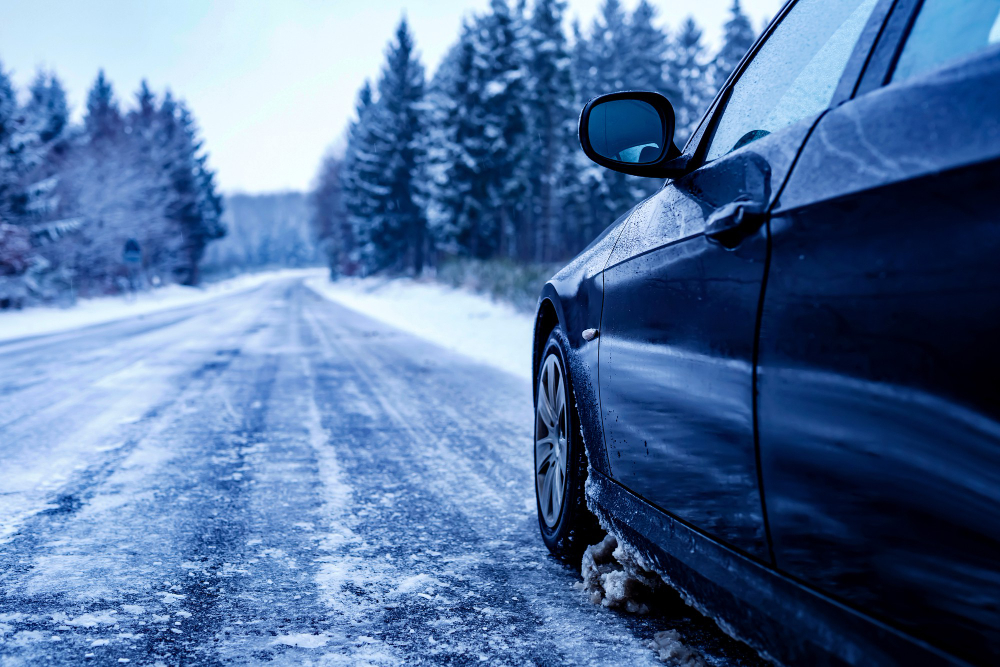
Below, we analyze the main hidden gaps that tend to surface in icy weather, with practical examples and comparative structures.
1. Confusing “liability” with full protection
In the U.S., almost all states require minimum liability insurance coverage. This coverage pays for damages caused to third parties.
Typical winter scenario:
You skid on ice, collide with another car, and also hit a guardrail.
If you only carry liability:
- The other driver’s car: covered (up to your policy limits).
- Your car: not covered.
- The guardrail: covered (within property damage limits).
2. High deductibles that cancel out coverage benefits
Many drivers choose high deductibles to reduce their monthly premium. This may work in mild climates. But in winter, minor damage is frequent:
- Cracked bumpers after low-speed impacts in icy parking lots
- Headlights damaged by falling ice chunks
- Scratches and dents from minor skidding incidents
If your deductible is $1,000 and the repair costs $1,200, the real benefit of coverage is minimal.
Simplified table:
| Type of Damage | Repair Cost | Deductible | Insurer Pays |
|---|---|---|---|
| Minor accident | $800 | $1,000 | $0 |
| Moderate crash | $2,500 | $1,000 | $1,500 |
| Total loss | $12,000 | $1,000 | $11,000 |
3. Misunderstanding “comprehensive” coverage
Many believe comprehensive covers any damage that is not a direct collision. Partially true. It covers:
- Damage from tree branches falling under ice weight
- Cracked windshields due to temperature fluctuations
- Hail damage
4. Lack of rental reimbursement
After accidents during severe weather, repair shops may face long backlogs. In cities like Chicago or Boston, repair demand spikes significantly after storms.
Without rental reimbursement coverage, you pay entirely out of pocket for a rental car while yours is in the shop.
In regions with limited public transportation or full reliance on a vehicle for work, this gap creates meaningful indirect financial impact.
5. Insufficient bodily injury limits
Ice-related accidents often involve multiple vehicles. A highway pileup can generate significant bodily injury claims.
If your limits are, for example,
- $25,000 per person
- $50,000 per accident
And if medical costs exceed that amount, you may be personally responsible for the difference.
6. Underestimated Uninsured/Underinsured Motorist Coverage
Not everyone maintains adequate coverage, particularly in states with high rates of uninsured drivers.
Imagine:
You are driving on an icy road. Another driver loses control and hits your vehicle. They carry only minimum coverage, insufficient to cover your medical and property damages.
Without adequate uninsured/underinsured motorist coverage, you may depend on legal action—often ineffective.
In winter, when accident frequency rises, this protection becomes strategically important.
7. Undeclared modifications
Snow tires, additional traction systems, and roof racks—any relevant modification may require specific disclosure.
If accessories are not properly reported, the insurer may limit or deny coverage for those items.
This is especially common in mountainous states like Colorado, where additional equipment is frequent.
8. Undisclosed commercial use
Many people use their vehicles for occasional deliveries or side income during winter, particularly when other work slows down.
If the vehicle is being used for commercial purposes and this is not declared, the insurer may deny coverage in the event of an accident.
Winter increases the probability of claims—and also increases scrutiny over vehicle use.
9. Maintenance-related exclusions
Although ice is an external factor, insurers may argue negligence if:
- Tires are bald
- Brakes are in poor condition.
- Basic maintenance has been neglected.
It is uncommon for claims to be denied solely for this reason, but disputes may arise if the vehicle’s condition significantly contributed to the accident.
Proper maintenance is not only about safety—it is also legal protection.
10. Underinsurance on financed vehicles
If you financed your car and it becomes a total loss, there may be a difference between:
- Actual cash value
- Remaining loan balance
Without GAP coverage, you may continue paying installments on a car that no longer exists.
In regions where winter increases total loss rates, this gap is critical.
Strategic Winter Checklist
Before the next storm, review:
- Do I have collision and comprehensive coverage?
- Does my deductible make sense for recurring damage?
- Are my liability limits sufficient?
- Do I have adequate uninsured/underinsured coverage?
- Do I have rental reimbursement?
- Do I carry GAP coverage if my car is financed?

Related content
Presidents’ Day Weekend: Credit Card Travel
Understand credit card travel protections for Presidents’ Day Weekend and avoid costly surprises from delays, cancellations, or lost luggage.
Keep reading * You will remain on the current site