
Inflation Report: Understand the Advantages of Credit Cards in the U.S.
Understand how inflation impacts your finances and discover how credit cards can help you stay ahead. Learn to use rewards and protection.
Understand the inflation report and its credit card advantages in the US
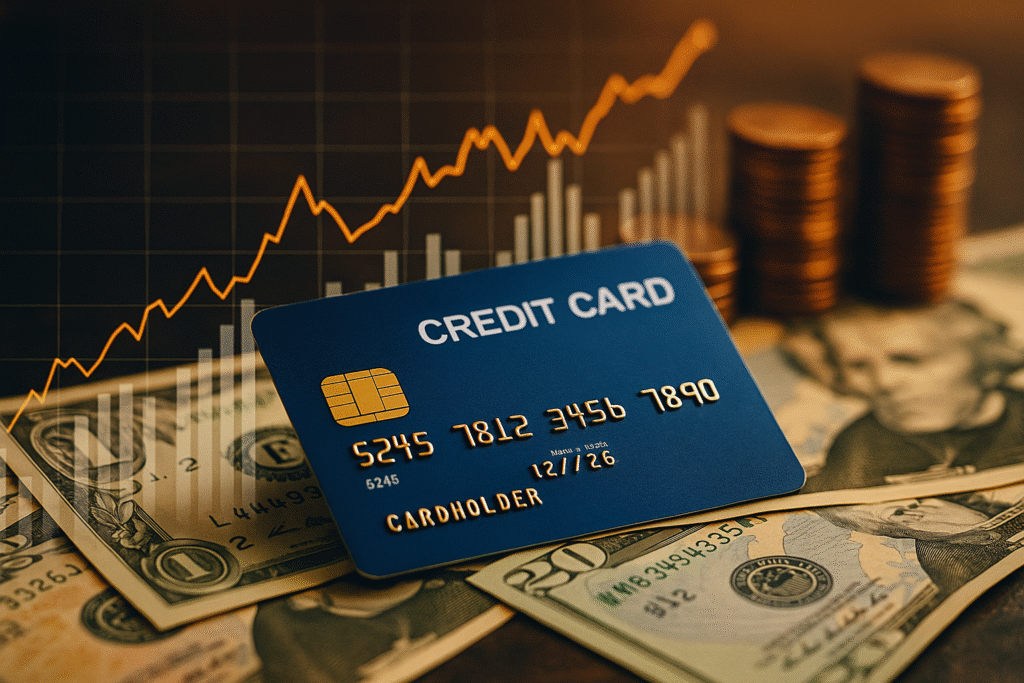
Inflation has become a constant concern for consumers in the United States. Rising prices affect everything, from groceries and rent to transportation and entertainment. In this context, understanding how inflation impacts personal finances is essential, and the Inflation Report plays a key role in guiding individuals to make smarter financial choices.
One of the tools that can help mitigate the effects of inflation is the credit card, which, when used strategically, offers important advantages such as protection against price increases, convenience, and even financial rewards.
What the Inflation Report Reveals About the Economy
The Inflation Report measures how the cost of goods and services changes over time, reflecting the purchasing power of consumers.
When inflation is high, each dollar buys less than before, meaning people need to spend more to maintain the same lifestyle.
In the U.S., inflation is closely monitored through indicators like the Consumer Price Index (CPI), released monthly by the Bureau of Labor Statistics. This index helps determine how prices evolve in key categories such as housing, food, healthcare, and energy.
Understanding this report allows consumers to anticipate changes in interest rates, as the Federal Reserve often adjusts its monetary policy to control inflation.
When rates rise, loans and credit become more expensive, but for disciplined users, credit cards can still be an ally rather than an enemy.
How Credit Cards Can Work in Your Favor During Inflation
When inflation rises, managing cash flow becomes more challenging. This is where credit cards offer strategic advantages. Instead of relying only on cash or debit, credit cards allow consumers to delay payments, earn rewards, and protect their purchasing power.
1. Deferred Payments and Cash Flow Control
Credit cards offer the ability to buy now and pay later — typically with a grace period of up to 30 days without interest.
This flexibility allows consumers to better manage cash flow, especially during months when prices spike or unexpected expenses arise.
2. Rewards, Cashback, and Points
Most U.S. credit cards offer rewards programs, such as cashback, points, or miles. During inflationary periods, these rewards act as small compensations for higher prices. For instance, a 2% cashback on groceries or gas can offset part of the price increase, turning everyday spending into future savings or travel benefits.
3. Purchase Protection and Extended Warranties
Another often-overlooked benefit of credit cards is purchase protection. Many issuers cover items against theft or damage for a limited time after purchase.
Some also offer extended warranties on electronics or appliances, a valuable perk when replacement costs are rising due to inflation.
4. Access to Better Exchange Rates
For Americans traveling abroad or making international purchases, credit cards with global networks such as Visa or Mastercard often offer better exchange rates than currency exchanges.
During volatile economic periods, this advantage helps minimize losses caused by fluctuating foreign currencies.
The Role of Interest Rates and Responsible Use
However, not all credit card use during inflation is beneficial. The Federal Reserve’s rate hikes directly affect credit card interest rates.
In 2025, the average APR (Annual Percentage Rate) on credit cards in the U.S. surpassed 21%, according to Bankrate, the highest in decades.
This means carrying a balance can quickly become expensive. To use credit cards wisely:
- Pay your balance in full each month to avoid interest.
- Track spending categories to identify where inflation hits hardest.
- Avoid taking cash advances, as they come with high fees and immediate interest charges.
- Use credit cards primarily for planned expenses and emergencies.
Final Thoughts
Inflation challenges everyone, but understanding economic data and using financial tools wisely can make a major difference. The Inflation Report serves as a roadmap for adjusting consumption, savings, and credit strategies.
In this scenario, credit cards aren’t just a payment method; they can become a financial shield when managed properly. With cashback, rewards, protection, and smart timing, they help consumers navigate inflation with more confidence and stability.
By staying informed and using credit responsibly, Americans can continue to enjoy the benefits of flexibility, convenience, and purchasing power, even in an inflationary environment.
Related content
BNPL vs. Hidden Credit Card Costs: Key Differences
Discover the key differences between BNPL (Buy Now, Pay Later) and hidden credit card costs.
Keep reading * You will remain on the current site BNPL vs. Hidden Credit Card Costs: Key Differences
Keep reading You will remain on the current website