
If You’re Enrolled in SAVE, Your Payment Amount Has Been Updated
Borrowers enrolled in the SAVE plan might notice a shift in their student loan payments. Discover the reasons behind this change, what steps follow, and how to evaluate your updated repayment choices.
Important Update for SAVE Borrowers: Your Payment Amount Could Have Changed

If you participated in the SAVE plan, your student loan payment might be adjusting now, making October a critical time to stay informed.
The federal SAVE plan officially ended in March 2026 following a court decision.
Since July, student loan servicers have been alerting impacted borrowers to select a new repayment plan. If you’ve gotten one of these notifications, your 90-day transition window may have already expired or is nearing its end.
This means the payment you anticipated under SAVE might not be the amount you currently owe.
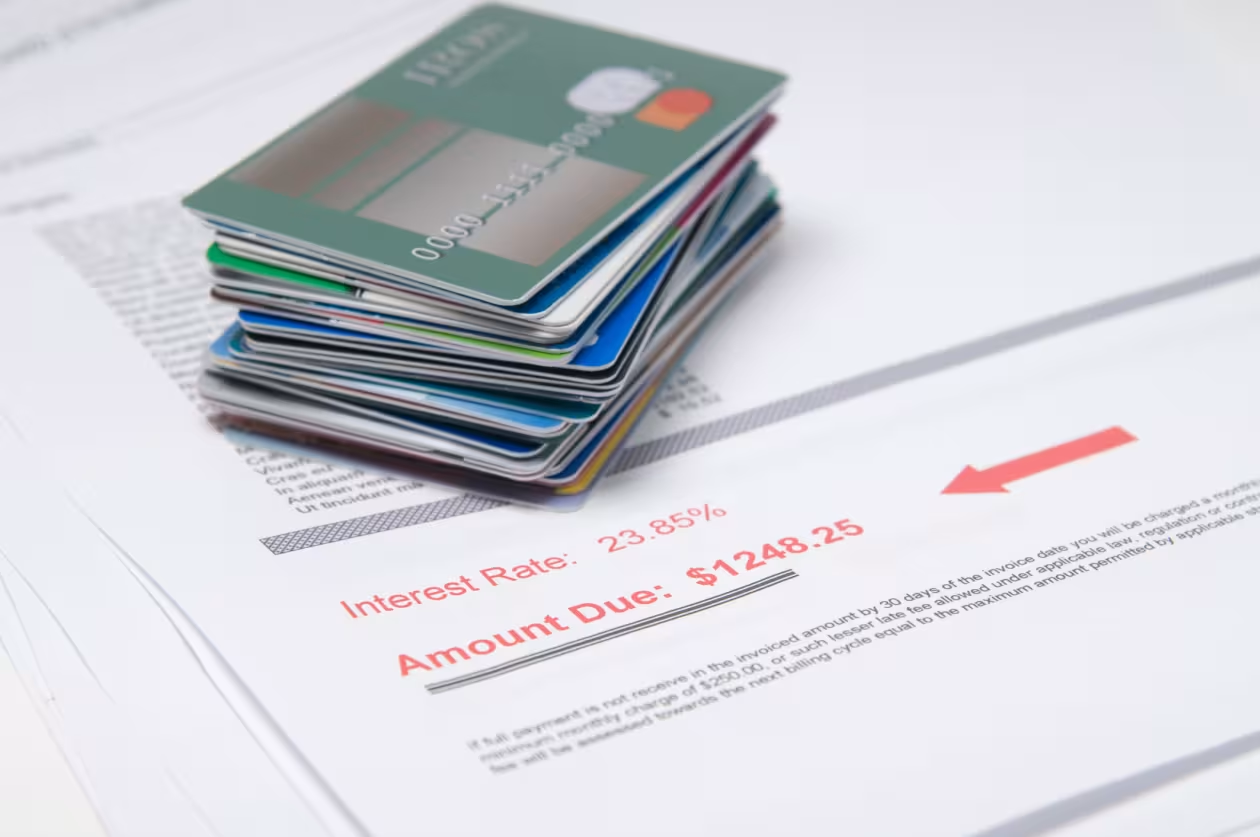
For borrowers already juggling rent, groceries, credit card payments, and other debts, even a slight increase in student loan payments can significantly impact their monthly budget.
Here’s what you should understand about the SAVE plan, the updated repayment programs, and the key points to review before your next student loan payment is due.
What Led to the End of the SAVE Plan?
The SAVE plan was discontinued in March 2026 as a result of a federal court ruling.
Following this, the Department of Education began guiding borrowers on the SAVE plan to transition into an alternative federally approved student loan repayment program.
This program was one of the most closely observed income-driven repayment options, created to lower monthly payments for qualifying borrowers and to protect them from unpaid interest increasing their loan balances.
However, the legal battle over SAVE caused millions of borrowers to remain in forbearance as the program’s status was being determined.
In March, the Department of Education announced that it would send guidance to roughly 7.5 million borrowers who had been enrolled in SAVE.
This creates a significant shift: borrowers who anticipated staying in SAVE must now consider alternative repayment options.
Is the SAVE Plan Still an Option?
No, the SAVE plan is no longer offered as an active federal repayment option.
According to MOHELA’s latest SAVE FAQ, the court ruling ended the plan as of March 2026.
Those who were enrolled in SAVE or had an application pending must switch to a different repayment plan.
Seeing “SAVE” on your account doesn’t always mean you can stay on the plan indefinitely.
Your loan servicer should send you details about the transition and any deadlines relevant to your account.
Reasons Your Student Loan Payment Might Have Changed
The main concern for borrowers isn’t just that the SAVE plan ended. It’s about what has taken its place.
Your updated payment depends on factors like your income, household size, type of loan, outstanding balance, when your loans were disbursed, and the repayment plan you choose.
The Department of Education has introduced the Repayment Assistance Plan (RAP) and the Tiered Standard Plan, while some borrowers with older loans might still qualify for other repayment choices.
This means that two individuals who were both on the SAVE plan may face significantly different monthly payments after the transition.
What If You Don’t Take Any Action?
If you were on the SAVE plan and don’t choose a new repayment option after getting your transition notice, your loan servicer may automatically assign you to a different repayment plan.
According to MOHELA, borrowers who don’t pick a new plan will be placed automatically into either the Standard Repayment Plan or the Tiered Standard Plan, depending on when their loans were disbursed.
This matters because being assigned automatically might not result in the lowest monthly payment that fits your financial needs.
What Is the New Repayment Assistance Plan?
The Repayment Assistance Plan (RAP) is one of the key new federal student loan repayment programs launched in 2026.
Instead of a fixed monthly payment, RAP calculates payments based on the borrower’s adjusted gross income (AGI) and family size.
Monthly payments can vary from 1% up to 10% of AGI, depending on income, with a floor of $10 per month.
This plan also has protections to stop unpaid interest from increasing the loan balance as long as borrowers make eligible payments.
H3: How Long Does RAP Last?
RAP allows for a repayment term lasting up to 30 years.
After completing the required qualifying period, any remaining eligible balance may be forgiven, though borrowers seeking Public Service Loan Forgiveness may follow a separate forgiveness route.
This extended repayment timeframe can lower monthly bills, but borrowers should also weigh the total cost over the life of the loan.
H2: Comparing RAP With the Tiered Standard Plan
The Tiered Standard Plan functions in a different way than RAP.
Rather than basing payments mainly on income, this plan employs a fixed payment schedule with terms of 10, 15, 20, or 25 years, depending on how much the borrower still owes.
The Department of Education provides an example: under the former 10-year Standard plan, a borrower starting with a $30,000 loan balance would have a monthly payment around $341.
With the Tiered Standard Plan, payments drop to roughly $262 because the repayment timeline can lengthen to 15 years.
Who Is Most Likely to Feel the Payment Change?
Not everyone will experience the change in the same way.
Those who previously enjoyed very low payments under the SAVE plan might notice the largest changes after switching to a different repayment option.
This is especially true for borrowers whose income has risen since enrolling in SAVE. An increased AGI could mean higher monthly payments under income-driven plans like RAP.
Borrowers carrying large loan balances should also weigh the monthly payment against the overall repayment cost, rather than just focusing on the monthly amount due.
Anyone aiming for Public Service Loan Forgiveness (PSLF) needs to be cautious when switching plans, since eligibility and qualifying payment requirements are crucial.
Borrowers With Large Student Loan Balances
High balances represent a significant portion of overall household debt in the U.S.
Data from the Federal Reserve Bank of New York shows Americans carried about $1.65 trillion in student loan debt by the close of Q2 2026.
This means ending the SAVE plan is more than just a single policy adjustment.
For countless families, changes to repayment amounts can impact saving, credit card payoff, mortgage eligibility, or day-to-day budgeting.
What Should You Do If Your SAVE Payment Changed?
If your payment amount has changed, don’t assume the new figure is necessarily the best option for you.
Begin by reviewing your StudentAid.gov account along with the latest communication from your loan servicer.
1. Verify Which Repayment Plan You’re Enrolled In
Check the repayment plan shown on your loan account.
If SAVE no longer appears, find out if you’ve been switched to RAP, Standard, Tiered Standard, or another qualified repayment option.
Don’t base your understanding solely on the figure shown in your bank statement. Your repayment plan defines how your payment is calculated and what choices you might have moving forward.
2. Evaluate Your Repayment Plan Options
Try the federal Repayment Calculator to explore and compare the repayment plans available for your loans.
Federal Student Aid recommends using this tool to check your eligibility and to compare estimated monthly payments along with total repayment costs.
These are the main figures you should focus on:
- Monthly payment
- Total amount paid
- Repayment period
- Potential forgiveness
- PSLF eligibility, if applicable
- Interest and principal treatment
- How payments could adjust if your income increases
Choosing the lowest monthly payment doesn’t always mean it’s the most affordable option overall.
3. Verify Your Deadline
Your deadline is tied to the date your servicer issued your notification.
According to MOHELA, borrowers impacted received notices from July through September 2026 and have 90 days from the notice date to pick a new repayment plan.
Borrowers who haven’t picked a repayment plan yet will get a final notice.
This explains why two borrowers previously on SAVE might have different deadlines.
Look at your personal notice rather than assuming everyone shares the same deadline.
4. Review Your Budget Before Making a Choice
Before agreeing to a new payment amount, figure out how much room you really have in your monthly budget.
For instance, if your monthly loan payment rises from $150 to $300, that means an extra $1,800 annually you’ll need to cover somehow.
Consider asking yourself:
- Can I cover this payment without relying on credit cards?;
- Will this payment stop me from saving for emergencies?;
- Am I on track for PSLF?;
- Has my income changed since my last repayment estimate?;
- Do I have dependents affecting my RAP calculation?;
- Would extending my repayment term improve my monthly budget?
These considerations often provide better guidance than simply asking, “Which plan offers the lowest monthly payment?”
How Do Auto Pay and the 1% Interest Discount Affect You?
There’s another important 2026 update that borrowers need to be aware of.
Starting July 1, federal student loan borrowers on Auto Pay who qualify receive a 1 percentage-point cut in their interest rate, up from the earlier 0.25% discount.
Notices from servicers say eligible borrowers can sign up through December 31, 2026, and this temporary rate cut lasts until June 30, 2028.
This is especially useful for borrowers whose monthly payments have shifted due to the SAVE plan ending.
Keep in mind, though, that Auto Pay won’t turn a payment you can’t afford into one you can.
Consider it as a tool to save on interest only after you’ve identified which repayment option works best for you.
Author’s Perspective
The biggest error former SAVE plan borrowers can make now is focusing solely on the new monthly payment amount.
A payment that seems affordable today might still add up to a high cost over the life of your loan.
Conversely, opting for a larger payment just to cut interest could strain a household already juggling rent, groceries, credit cards, or other debts.
The smarter strategy is to evaluate both how affordable your monthly payments are and the overall cost of repayment together.
October marks a critical time to take action since many SAVE borrowers are nearing the close of their personal transition periods. If you’ve received a notice, don’t ignore it expecting the government to automatically select the best plan for you.
Review your current plan, note your deadline, compare your payment options, and choose based on your income, family size, loan amount, and forgiveness goals.
When budgets are already stretched thin, this figure deserves close attention.
Recommended Content
Why your card’s interest rate just went up
Learn the common causes, notice rules and steps to lower the cost of your balance.
Continue reading * You will remain on the current website